
Index Rebalancing Days Belong on the Calendar Before Any Won FX Trade
Some large currency flows involving the Korean won have had little to do with economic data, central bank decisions, or geopolitical headlines. They come from index providers adjusting the weights of benchmarks tracked by funds managing trillions of dollars. When those adjustments involve Korean stocks or bonds, foreign funds may need to buy or sell won. The timing is often published weeks in advance, giving anyone planning an FX trade involving the won some idea of when currency demand could pick up.
The schedule MSCI publishes is one of the most closely watched. Its regular index reviews take place in February, May, August, and November, with implementation dates announced in advance. Korea holds a meaningful share of the MSCI Emerging Markets Index, so changes to the weights of major Korean companies can affect the amount of money allocated to the market. If a Korean chipmaker gets a bigger share of the index, funds that track it may have to buy more of the company’s stock. Changes to the weights of China, Taiwan, or India can also affect Korea’s share of the benchmark. FTSE Russell has its own review calendar, and the domestic KOSPI 200 has regular constituent reviews in June and December. That gives investors several dates to watch for equity-related flows.
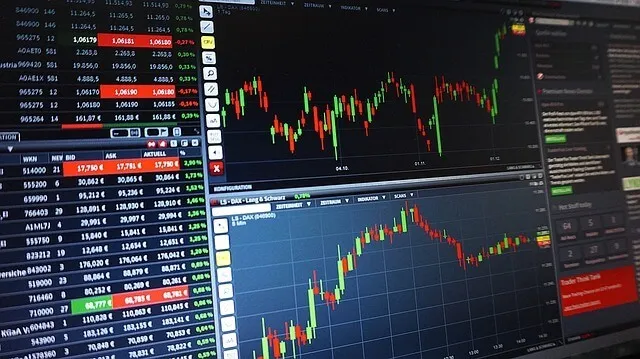
Image Source: Pixabay
Bonds have also come into the picture. Korean government bonds began entering FTSE Russell’s World Government Bond Index in April 2026, with inclusion scheduled to finish in November. Global bond funds tracking the benchmark are expected to increase their holdings of Korean government debt as the process continues. That creates the potential for additional won demand around scheduled inclusion dates. The purchases do not necessarily happen all at once, though. Some managers buy ahead of the official dates, while others spread their transactions across several sessions or hedge part of their currency exposure. The resulting movement in USD/KRW may be difficult to separate from other activity in the market.
The links to the won are not as mechanical as they first appear. Korean stock trades generally settle two business days after execution, but investors can arrange currency conversions before settlement. Some funds keep won available ahead of a review, while others use offshore non-deliverable forwards to manage their exposure. South Korea’s extended onshore foreign-exchange trading hours, which run until 2 a.m. Seoul time, also allow transactions during European and American business hours. Currency flows connected to a single index change may therefore appear across several sessions. A large closing auction does not always produce an equally large move in the won that same day.
Size matters, along with direction. An increase in Korea’s index weight can bring foreign purchases of Korean assets, while a reduction may lead funds to sell. The won’s reaction also depends on when funds buy or sell and how much other currency trading is going on. Exporters sometimes sell dollars near the end of the month, adding to demand for won. Importers may be buying dollars at the same time, and foreign shareholders sometimes convert their Korean dividend payments into dollars before sending the money overseas. With all of this happening, a move in USD/KRW cannot always be traced back to an index change.
Experienced market participants keep these dates on their calendars alongside central bank meetings and major economic releases. The Korea Exchange closing auction can bring a rush of orders on rebalancing days. With so many orders coming in, dealers may widen their USD/KRW spreads. Anyone placing an FX trade during that period might find that the price has already moved by the time the order goes through. The won may also move sharply even though nothing has changed in the economic outlook. Some funds will have exchanged their money before the scheduled date, while others may have covered their currency risk through hedging. The published dates are useful to have on the calendar, but they cannot tell traders exactly where the won will go.