
Inside the Making of a Working Speaker
A finished speaker can look simple. A box stands on a stage or hangs from a wall. Sound comes out, and people judge it in seconds. Behind that plain moment sits a long chain of decisions. A maker must shape air, control force, protect parts, and build something that can repeat its job many times without asking for gentle treatment.
The process often starts with a purpose. Will the unit serve speech, live music, recorded music, outdoor use, or fixed installation? Each use asks for different choices. A speaker for a theatre may not suit a sports hall. A box made for touring may not need the same finish as one built into a hotel.
Engineers then think about the drivers. These are the parts that move air. A low-frequency driver handles deeper sounds. Smaller drivers or compression parts handle higher sounds. The team must decide size, material, strength, and how the parts work together. The aim is not only to make sound, but to keep it clear under pressure.
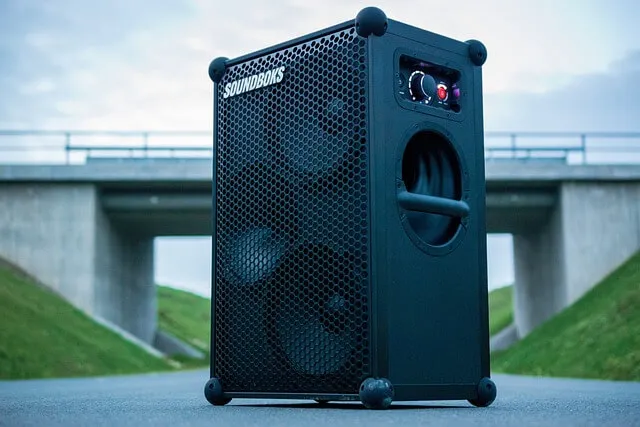
Image Source: Pixabay
Professional loudspeakers also need a cabinet that behaves well. The cabinet is not just a container. Its shape, stiffness, and internal design affect the result. If it vibrates badly, it can colour the sound. If it is too weak, it may fail during use. If it is too heavy, moving it becomes harder. The maker has to balance sound, strength, size, and handling.
Then comes the crossover or signal control. In simple terms, this helps send the right part of the sound to the right driver. Deep notes go where they belong. Higher notes go where they can be reproduced cleanly. If this handover is poor, the sound can feel uneven or rough. A listener may not know the cause, but they will hear the result.
Testing is a major part of the work. Engineers measure frequency response, output level, heat, distortion, and coverage. They may use special rooms, microphones, software, and long test sessions. A graph alone cannot decide everything, but it can reveal problems that ears may miss. Listening still matters. Numbers and judgement need to meet.
Materials are chosen with repeated use in mind. Metal grilles protect the front. Strong coatings resist scratches. Handles must sit where people can lift safely. Mounting points must hold weight. Connectors must survive use without becoming loose. These details can look plain, yet they shape trust. A product used in public must not feel fragile.
Assembly requires care. Small errors can create large problems later. A loose screw may buzz. A poor seal may leak air. A badly fitted grille may rattle. A wire placed carelessly may fail after vibration. Good factories use checks at each stage because hidden faults can embarrass the product in front of a crowd without warning.
Professional loudspeakers may also go through stress tests. They can be played for long periods, pushed near their limits, or tested in heat. The purpose is not cruelty. It is proof. A maker wants to know whether the unit can keep working when the room is busy, the show is long, or the operator asks more from it than expected.
Designers also consider service. Can a part be replaced? Can the front be opened? Are spare parts available? A product used by venues or installers may need a longer life than a fashion-led item. Repair support can matter as much as the first sound test.
The final stage is consistency. One speaker should behave like the next. If a venue buys several units, they should not each have a different character. This needs tight control over parts, build, and testing.
Making professional loudspeakers is therefore a mix of physics, craft, and patience. The goal is not just a loud box. It is a tool that moves air in a controlled way, survives hard use, and gives people confidence when sound cannot fail.
That final trust is built before anyone hears the first note.

Comments