
MetaTrader 5 Appeals to Argentina’s More Advanced Traders
Sophistication is not always evident in trading circles, but among more advanced traders in Argentina, MetaTrader 5 is gradually replacing its more widely used predecessor. Many traders remain drawn to the familiar platform, while a smaller group is making a deliberate shift toward this newer platform for features that become useful once the basics of currency trading have been mastered.
Much of the appeal relates to multi-asset functionality. Traders who begin with currency pairs may gradually expand into commodities, indices, or stocks, and MetaTrader 5 allows this without requiring separate platforms for each asset class. A trader who began years ago trading conservatively in pesos may eventually hold multiple open positions across different markets, a situation that is harder to manage using tools built solely for currency trading.
Another meaningful difference lies in order execution. The added depth of market and range of order types give experienced traders greater control in volatile trading conditions, a real advantage in a global economy where currency movements can occur with little warning. This level of precision matters to traders managing several open positions across different instruments, where the number of trades becomes as important as their direction. Traders who work across multiple instruments at once have noted that this added control becomes more valuable as their portfolios grow more complex.
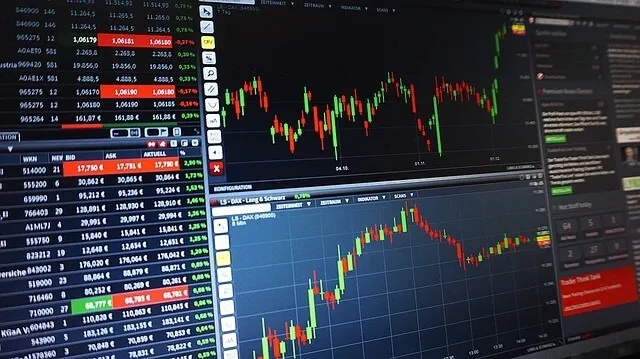
Image Source: Pixabay
Within the Argentine trading community, a segment of tech-savvy traders develops and refines their own trading strategies. The platform’s advanced scripting interface draws in engineers and programmers who treat trading as analytical problem solving, since it allows for more sophisticated backtesting and strategy construction than older platforms support. Refining an algorithm can take considerable time, but these traders often judge the platform’s capabilities worth that investment.
Traders who rely on fundamental analysis tools and the economic calendar, alongside technical indicators, have found particular benefit in this platform. This holds especially true in Argentina, where domestic economic news can respond unpredictably to international developments, making it valuable to track both local and global news closely, since the connection between them carries practical significance beyond academic interest. The transition to this platform is not necessary for every trader, and that outcome is reasonable. Not every strategy calls for this level of complexity. Traders who prefer more straightforward approaches may see limited benefit from the additional features found on a more complex platform. This distinction helps ensure that adopters remain spread across different segments of the trading community, without concentrating in a single group.
Broker availability for switching platforms has slowly improved for traders considering the change; more providers now offer full support dedicated to the Argentine market, alongside older alternatives that remain available. This increased accessibility has removed a barrier that previously discouraged many traders from entering this segment, since traders interested in switching once had to sacrifice other considerations, such as regulatory options and the quality of customer service. Additional broker options have also made it easier for traders to compare fees and support quality before committing to a switch. The traders who adopt this platform differ from others in the market primarily because of their expanding trading interests and growing technical comfort, not simply because of a general difference in sophistication.