
Ways to Prepare for Unexpected FX Market Volatility
Unexpected volatility rarely means that no warning existed. More often, the timing, size or direction of the move differed from consensus. In fx trading, preparation is less about predicting the surprise than ensuring that one abrupt repricing cannot dictate the condition of the entire account.
Scheduled releases are only part of the problem. Central bank comments, political headlines, interventions and sudden changes in bond yields can reach the market between planned events. Experienced traders assume that liquidity may disappear when it is most needed. Beginners tend to assume their stop will behave exactly as it did during a quiet session.
Map Exposure Across Currency Pairs
Several positions can represent the same underlying bet. Long EUR/USD, long GBP/USD and short USD/CHF may look like three separate ideas, yet each depends partly on dollar weakness. When the dollar strengthens sharply, all three can lose together.
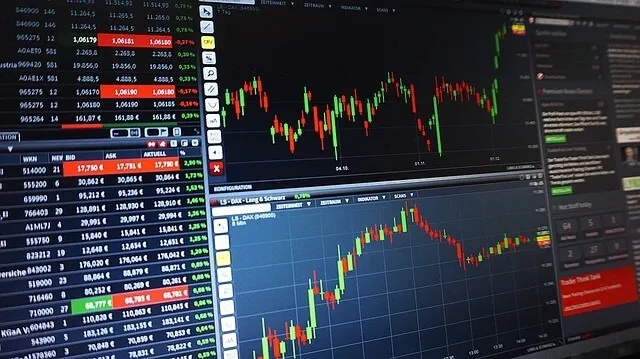
Image Source: Pixabay
The useful calculation is the combined loss under a shared currency shock. If every dollar-sensitive position reaches its stop at once, what percentage of equity disappears? This question matters more than the number of tickets open. Experienced traders group positions by economic driver, not merely by symbol.
Diversification on the screen can be concentration in the account.
Size Positions for Abnormal Movement
Recent volatility offers a starting point, but quiet conditions can create false comfort. A pair that has moved 40 pips a day for two weeks can travel several times that distance when policy expectations change. Position size should leave room for slippage, spread expansion and moves beyond the recent average.
Counterintuitively, tighter stops do not always reduce risk. During unstable conditions, an extremely close stop may force traders to use larger size to maintain the same planned cash loss. A brief liquidity sweep can then close the trade before the original market idea has been tested.
Smaller size with a technically valid stop can provide better control than a large position protected by an arbitrary five-pip exit. The account risks the same planned amount, but ordinary price noise has less influence over execution.
Plan for Spread Widening and Slippage
A stop order becomes a market order once triggered. It seeks the next available price; it does not create liquidity at the requested level. During rapid movement, the fill may be worse than expected because quotes change before the order reaches the front of the market.
The Bank of Japan’s surprise policy adjustment in December 2022 offered a clear example. When officials widened the permitted trading band around the 10-year government bond yield, the yen strengthened rapidly. USD/JPY fell as traders reassessed the assumption that Japanese policy would remain exceptionally loose.
A trader short the yen could have entered the announcement with a sensible stop based on the previous range. Yet the speed of the repricing meant the exit could occur beyond that level, particularly as liquidity providers adjusted quotes. The analysis was overtaken by a policy regime change, not by an ordinary technical fluctuation.
Preparing for this possibility means stress-testing a loss at worse prices. If the intended stop represents a $200 loss, calculate the outcome at $300 or $400. If that larger figure would destabilise the account, the position is already too large.
Establish Rules for the Minutes After a Shock
The first reaction after a surprise is often the least orderly. Algorithms respond to headlines, spreads widen, and traders close positions without waiting for full context. The second move may reverse once the market examines details. Chasing the initial candle can turn one avoided loss into a new impulsive trade.
Experienced traders usually require fresh evidence before re-entering. That might mean waiting for a five-minute candle to close, watching whether price holds beyond the old range, or allowing spreads to return near normal. The pause is not hesitation. It acknowledges that the information environment has changed.
Operational preparation matters too. Price alerts, a functioning mobile connection and the broker’s emergency contact process should be tested before they are needed. Pending orders that no longer fit the new environment should be reviewed rather than forgotten on distant charts.
For practical fx trading preparation, record three numbers before every session: total loss if correlated stops trigger together, estimated loss with adverse slippage and the equity level that requires immediate exposure reduction. Mark scheduled events, but keep the same limits on apparently quiet days. When volatility arrives without an appointment, those numbers provide decisions that do not depend on the speed of the next candle.