
Why Argentine Forex Trading Groups on Telegram Keep Growing Despite the Risks
Telegram has become the central platform of the Argentine retail trading community in ways that reflect both the platform’s technical characteristics and the particular communication patterns Argentine traders have built around their market activity. The group size capacity, which allows communities to grow beyond the limits other messaging platforms impose, the channel format that allows one person to broadcast analysis to many while enabling broader discussion among members, and the relative privacy the platform offers compared to Facebook’s more publicly visible social architecture have made it the natural home of Argentine forex trading communities that have outgrown the informal WhatsApp groups in which many of them originally formed.
Their continued growth despite widely recognized risks reflects a rational community calculus that outsiders may mistake for naivety. Argentine forex trading participants are not oblivious to the risks these spaces present, including the promotion of fraudulent schemes, signal sellers whose track records cannot be verified, and apparently experienced traders whose displayed results may not represent their overall performance. Rather than concluding that risk awareness requires avoiding these spaces entirely, participants have developed community practices to manage those risks. Active moderation in better-established groups filters promotional content with variable results. Community norms that generate social friction around unverifiable performance claims deter purely promotional participants. Long-standing members who flag suspicious participants by name provide practical warnings that help newer members before they commit capital based on community recommendations.
The inflation context gives Argentine forex trading community membership a practical dimension that pure trading interest does not generate with the same urgency. Argentines do not always join these communities in pursuit of speculative profit, but out of a genuine need to find financial solutions that preserve value within a conventional system that has repeatedly failed them. That shared motivation produces community bonds of a different character from those formed around purely intellectual interest or economic gain, since members are bound together by a shared economic problem rather than a hobby or professional interest. That shared recognition generates a solidarity that sustains the community through difficult market periods that communities built on purely self-interested foundations rarely survive.
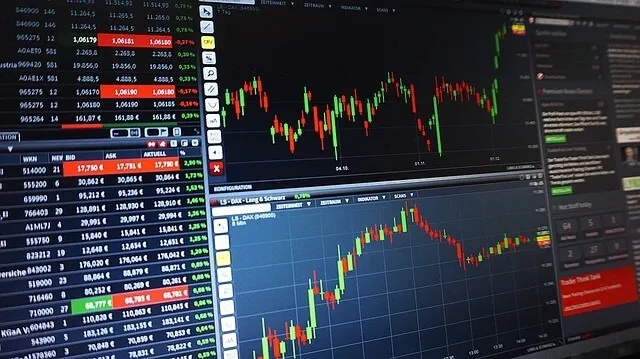
Image Source: Pixabay
The educational content circulating through Argentine forex trading Telegram groups has developed a quality distribution that reflects the community’s maturation over time. The strongest analytical content in established Argentine groups engages seriously with the challenges their members actually face, addressing the distinctive intersection of international market forces and Argentine economic conditions that defines their analytical environment. Content that explains how Federal Reserve decisions affect the dollar, and by extension the peso-dollar dynamics central to most Argentine investors, that connects commodity market movements to Argentine export revenues and reserve levels, and that addresses the practical logistics of maintaining international trading accounts within Argentine regulatory and banking constraints delivers practical value that generic international forex education fails to address. Those creators who have earned credibility in Argentine Telegram communities have done so through the consistent delivery of locally calibrated content rather than through promotional performance displays.
The risk most reliably identified by candid Argentine community participants is the difficulty of distinguishing genuine educational communities from distribution channels operated by bad actors who convert accumulated community trust into a recruitment mechanism. Argentina’s history of financial fraud has produced a population deeply skeptical of financial promises, but that skepticism does not guard against more sophisticated operators who build a genuine sense of value within the community over an extended period before deploying products that exploit the trust they have built through educational content. The best-developed defenses against this pattern are Argentine trading communities that have established clear policies on commercial content, mandatory disclosure requirements for anyone recommending a broker or service, and experienced moderators who recognize the behavioral patterns that distinguish a genuine educator from a sophisticated promotional operator exploiting community trust.

Comments