
How a Trader Terminal Shapes Your Trading Experience
A trader can spend weeks adjusting a strategy and still feel like something is missing. The market analysis may look fine, the entries may follow logic, and risk management might already be in place, yet trading sessions can still feel tiring or disorganised. When this happens, most people immediately look at the strategy itself because it seems like the obvious place to search for problems.
Sometimes the issue is somewhere else entirely.
Many traders do not realise how much the environment around them influences their decision making. A platform often looks like a simple tool where trades are placed and charts are viewed, but after spending enough time trading, people start noticing that the experience itself can affect behaviour.
For anyone using a trader terminal, the workspace gradually becomes part of the trading process rather than just the location where trades happen.
The Environment Changes How You Think
Imagine trying to work in two completely different rooms.
The first room is organised. Everything is easy to find, the workspace feels comfortable, and there are few distractions competing for attention.
The second room feels crowded. Papers are scattered around, information sits in random places, and finding basic things takes extra effort.
Even if the work itself remains exactly the same, the experience feels different.
Trading environments often create a similar effect.
When charts, market lists, and tools feel organised, traders can focus more attention on analysis and decision making. When information feels cluttered or difficult to manage, concentration becomes divided.
This does not happen because traders suddenly become less skilled. It happens because attention is being pulled toward unnecessary problems.
More Information Does Not Always Mean Better Decisions
Beginners often believe stronger trading comes from adding more.
More indicators.
More charts.
More windows.
More tools.
The thinking sounds logical because additional information appears useful at first.
After enough experience, however, many traders start moving in the opposite direction.
Instead of adding more things to the screen, they begin removing what does not actually help them.
They simplify layouts.
They close unused windows.
They focus on information that supports their process rather than collecting everything available.
This often creates a surprising effect because clearer workspaces can sometimes lead to clearer thinking.
Small Frustrations Can Become Larger Problems
Many people underestimate how much repeated interruptions can affect focus.
If traders continuously search for tools, switch between crowded screens, or struggle with navigation, those small moments slowly start adding mental pressure.
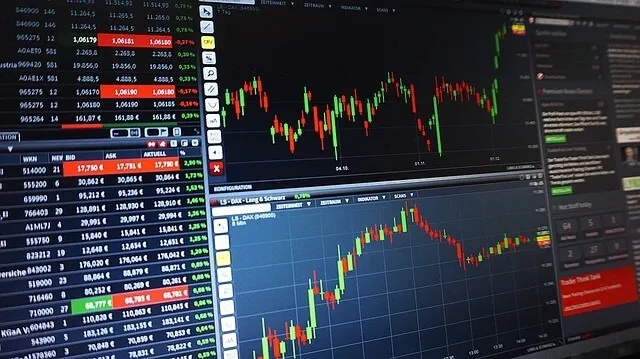
Image Source: Pixabay
Individually, they may seem unimportant.
Over several weeks or months, they can become tiring.
For people using a trader terminal, comfort often becomes valuable because smoother routines reduce unnecessary effort and help traders stay focused on market activity itself.
Trading Is Also About Building a Workspace
Most people begin trading thinking they are building strategies.
Later they discover something else.
They are also building an environment around those strategies.
The platform, chart layout, and overall workspace gradually become part of everyday routines. While markets create opportunities, the place where traders spend hours observing and making decisions often shapes the overall experience more than many people initially expect.