What Being a Social Trader Actually Means in South Korea
In retail trading circles, the term is used loosely to describe anyone who follows another trader’s positions or shares their own analysis publicly. The reality of being a social trader is more complicated in South Korea than that general notion implies. Expectations of transparency, consistency, and genuine community contribution go beyond copying trades or broadcasting entry points, and the Korean trading culture shaped by social involvement has developed norms that distinguish real community contributors from those who use the label purely for visibility. Understanding those norms is essential for anyone seeking to participate meaningfully in Korean trading communities rather than simply consume what they produce.
Copy trading platforms have offered the most formalized infrastructure for social trading activity in Korean retail markets. The model has been popular with both sides of the equation: experienced traders who have built a track record and earn followers willing to copy their positions, and newer participants who use the copying service as a learning environment while developing their own capabilities. Applying the same research discipline they use when selecting brokers, Korean participants evaluate signal providers carefully. They examine drawdowns, trading frequency, and risk-adjusted returns rather than focusing solely on headline profit percentages. That evaluation standard reflects a community that has seen enough poor outcomes from undiscriminating signals to have developed a more structured approach.
The informal layer of social trading in Korea likely carries more influence than the formalized copy trading environment. KakaoTalk channels, private Discord groups, and Korean-language Telegram communities where experienced participants conduct real-time analysis, identify developing setups, and share their own trade results form an ecosystem of informal social trading that operates entirely outside those structures. This layer sustains followings and influences trading decisions across the community without any formal signal provider agreement in place. The reach of a single respected voice in one of these channels can extend well beyond what any platform-based follower count would suggest.
Trust calibration is the most distinctive feature of Korean social trading culture. Community systems have emerged to evaluate the claimed expertise and track records of signal providers. Requests for verified performance records are common, skepticism toward traders who post only winning trades is openly expressed, and risk management is discussed alongside entry signals as a matter of course. That culture of verification developed in part from early experiences with participants who exaggerated results or presented cherry-picked performance histories, producing communities more resistant to the kind of signal provider fraud that occurs in less scrutinizing retail markets. The institutional memory of those early experiences remains active and shapes how new entrants are evaluated.
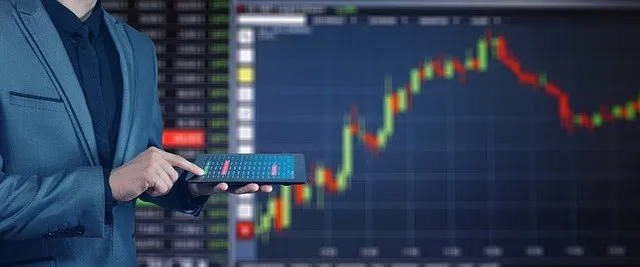
Image Source: Pixabay
For many in the Korean community, the educational dimension of social participation matters as much as the signals themselves. Following positions without understanding the reasoning behind them builds dependency rather than capability, and Korean communities have largely internalized that distinction and shaped their content accordingly. Experienced members who share their analytical reasoning, discuss when their approach works and when it does not, and engage honestly with questions from newer participants create more productive learning environments than those who operate purely as trade copying services.
The credibility of a social trader to South Korea’s retail community is measured less by profit statistics than by contribution to collective knowledge. Participants who share useful frameworks, acknowledge both wins and losses, and contribute to the analytical culture of their communities occupy a different standing from those who broadcast results without context. That reputation, recognized across Korean trading networks, carries real weight in a market where community trust is among the most carefully maintained assets.