
What the Latest Wave of Forex Trading Newcomers Is Getting Right and Wrong
Each market cycle introduces a new generation of first-time participants, and the current cohort entering the currency markets carries a unique profile shaped by the information environment in which they were raised. On average, they arrive better informed than any previous cohort. The amount of tutorial material available is extensive, access to communities is instant, and the mechanical barriers to opening a live account have been reduced to the point where the process takes minutes rather than days. That ease of entry, however, has introduced its own problems, and distinguishing what this generation is doing well from what it is doing poorly requires looking beyond raw participation numbers.
The self-education instinct is one area where the latest entrants are genuinely getting it right. Rather than relying solely on a single broker’s onboarding material, many spend weeks or months on a demo account, consulting multiple sources before committing real capital. A first-time trader can now access charting tutorials, risk management frameworks, and market analysis that would have required a paid course or professional mentorship a decade ago. Even imperfect preparation produces traders who at least know the market’s vocabulary when they place their first live trade.
Community involvement has also matured in meaningful ways. Online forex trading discussion groups that once functioned primarily as spaces for profit screenshots and unverifiable signal services have evolved into more analytically rigorous communities. More experienced participants are increasingly engaging with newer traders who ask about the logic behind a strategy rather than just the entry point. That shift in conversational culture reflects a community that has absorbed enough collective failure to understand that shortcuts rarely survive contact with real market conditions.
The area where the current generation struggles most is the relationship between confidence and experience. The same content ecosystem that accelerates early learning also creates an impression of mastery that can be difficult to distinguish from the real thing. A trader who has watched fifty hours of technical analysis content and run a successful demo account enters live trading expecting the market to behave as it did in simulation. The shift from simulated to real capital introduces psychological variables that no amount of content consumption can prepare a trader for, and that catch even well-prepared newcomers off guard.
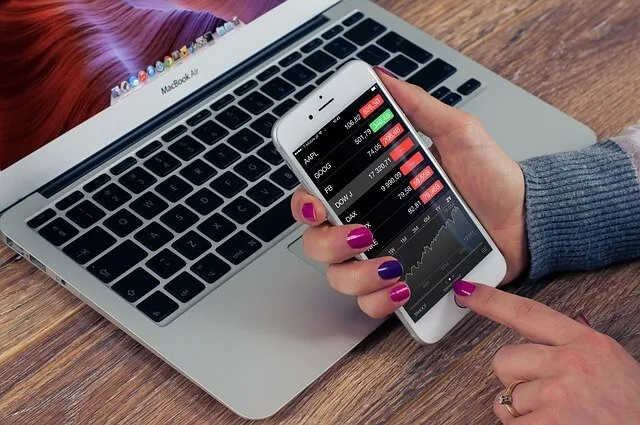
Image Source: Pixabay
The area where theoretical knowledge most often fails to translate into practice is position sizing. Most forex trading communities include participants who can articulate the concept of risking a fixed percentage of capital per trade. Far fewer apply it consistently when a series of trades performs especially well, or when a losing streak creates pressure to trade aggressively and recover losses. The rules most needed in high-pressure moments are precisely the ones most likely to be abandoned under that pressure, and the outcomes are predictable, repeating across every generation of retail participants without meaningful change.
Leverage misuse persists even though it ranks among the most extensively documented risks in retail currency markets. Awareness of leverage magnifying losses and the realization of that relationship as a behavioral constraint are not the same thing, and that gap tends to close only through immediate and frequently unpleasant experiences. Regulators in various jurisdictions have responded to this with leverage caps, but the drive to maximize exposure remains a persistent feature of early-stage trading behavior. How the current generation applies those early lessons will determine whether the cycle repeats, or whether better access to information will finally produce lasting change.

Comments